Top Safety Features in Modern Cars and How They Protect Drivers
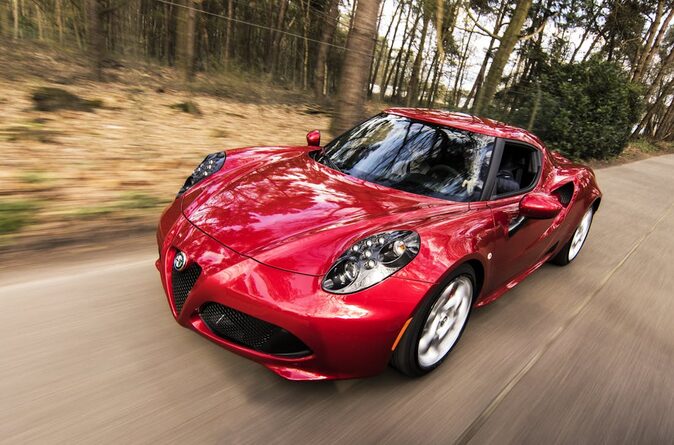
Modern cars are equipped with advanced safety features designed to protect drivers, passengers, and pedestrians. Innovations in automotive technology have significantly reduced the risk of accidents and injuries. From crash avoidance systems to structural reinforcements, vehicles today prioritize safety without compromising comfort or performance. Understanding these features helps drivers make informed choices and use their vehicles more effectively. This article explores the top safety features in modern cars and how they safeguard everyone on the road.
Airbags and Impact Protection
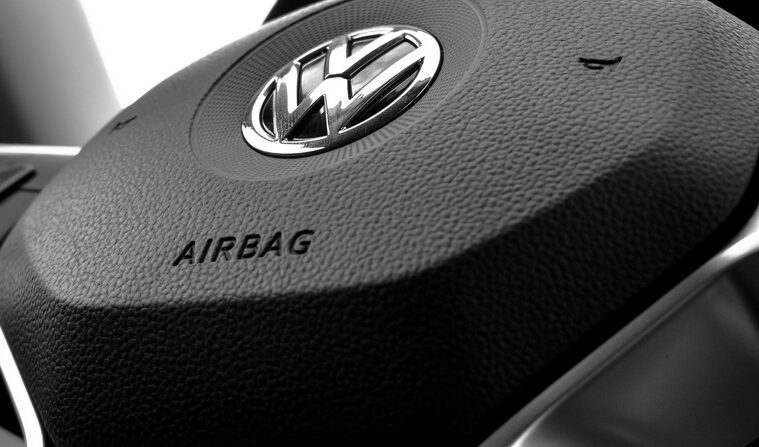
Airbags are a core safety feature in vehicles. They deploy during collisions to cushion occupants and reduce the risk of severe injuries. Modern cars often include multiple airbags, including front, side, curtain, and knee airbags. These strategically positioned devices absorb impact forces, protecting vital areas such as the head, chest, and legs. Combined with seat belts, airbags provide a layered approach to safety that is essential in reducing fatalities during crashes.
Anti-Lock Braking System (ABS)
The Anti-Lock Braking System prevents wheels from locking during sudden braking. ABS allows drivers to maintain steering control, reducing the likelihood of skidding. This feature is especially beneficial in wet or slippery conditions. By ensuring that the vehicle remains maneuverable during emergencies, ABS enhances stability and gives drivers more confidence behind the wheel. It has become a standard safety feature in modern vehicles due to its effectiveness in accident prevention.
Electronic Stability Control (ESC)
Electronic Stability Control is designed to prevent loss of vehicle control. It automatically adjusts engine power and applies individual brakes when sensors detect oversteering or understeering. ESC is particularly helpful during sharp turns or emergency maneuvers. By reducing the chances of rollovers or spin-outs, this system provides unique protection that complements other safety mechanisms. Drivers benefit from enhanced vehicle stability, which is crucial for accident avoidance.
Blind Spot Monitoring
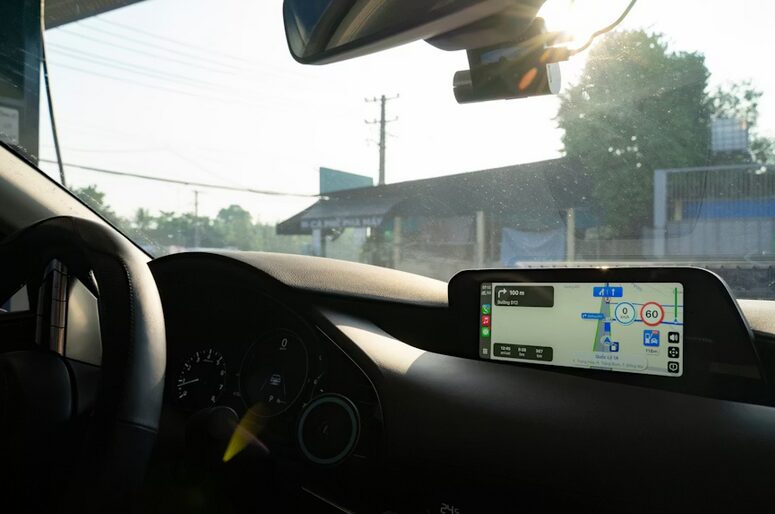
Blind spot monitoring alerts drivers to vehicles or obstacles in areas that are not visible in mirrors. Sensors detect objects and provide warnings through lights or sounds. This feature helps prevent lane-change collisions and improves overall awareness on the road. Blind spot monitoring ensures drivers are informed about hidden risks, reducing the likelihood of accidents in heavy traffic or on highways.
Adaptive Cruise Control
Adaptive cruise control maintains a safe distance. It reduces driver fatigue on long journeys and improves reaction times in traffic. By constantly monitoring traffic conditions, this system can slow or stop the car when necessary. Adaptive cruise control enhances comfort while ensuring a safer driving experience, especially in stop-and-go conditions.
Lane Departure Warning and Lane Keeping Assist
Lane departure warning alerts drivers when their vehicle unintentionally drifts out of a lane. Lane keeping assist actively guides the car back into its lane if needed. These features prevent collisions caused by distractions or drowsiness. By combining visual, auditory, and tactile warnings, these systems help drivers maintain proper lane discipline. Lane management technologies play a vital role in reducing side collisions and off-road accidents.
Automatic Emergency Braking (AEB)

Automatic emergency braking detects imminent collisions and applies brakes if the driver does not respond in time. This technology can prevent or mitigate accidents with other vehicles, pedestrians, or cyclists. By intervening in critical moments, AEB increases reaction time and reduces the severity of crashes. Many modern cars integrate AEB with forward-collision warning systems for comprehensive safety coverage.
Rearview Cameras and Parking Assistance
Rearview cameras and parking sensors enhance visibility and prevent low-speed accidents while reversing. Cameras display live video feeds, allowing drivers to see obstacles behind the vehicle. Parking assistance systems provide visual or audio alerts to guide maneuvering in tight spaces. These features are especially valuable in urban settings, ensuring the utmost precision and safety when parking or navigating crowded areas.
Modern vehicles integrate a wide range of safety features to protect drivers and passengers. Airbags, ABS, and ESC form the foundation of crash protection, while blind spot monitoring, adaptive cruise control, lane management systems, and automatic emergency braking offer advanced accident prevention. Rearview cameras and parking assistance further enhance daily driving safety. Together, these technologies create a safer driving environment and reduce the risk of injuries and fatalities. Understanding and utilizing these features ensures that drivers can make the most of modern safety innovations, promoting confidence, control, and protection on every journey.